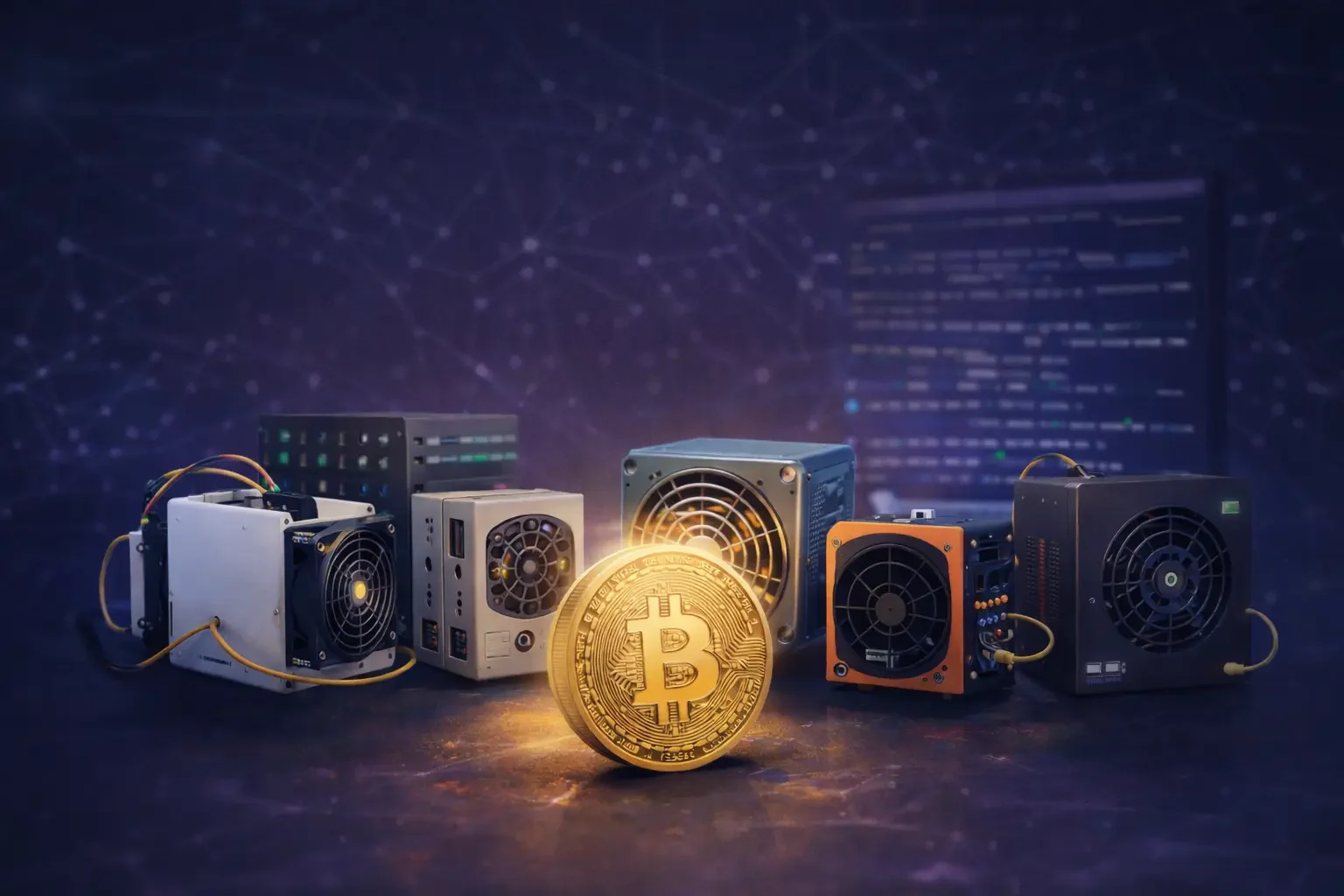
Solo mining has become one of the most searched entry points for bitcoin mining for beginners, especially as users look for low power mining solutions that can run safely at home. With rising electricity costs and increasing network difficulty, beginners are no longer jumping straight into large ASIC miners.
Instead, many new miners choose solo Bitcoin miners as a practical starting point. These compact devices allow users to understand how Bitcoin mining works in real conditions, without heavy power requirements, excessive noise, or complex infrastructure. Solo mining focuses less on immediate profit and more on learning, experimentation, and long-term understanding of the mining process.
What Is a Solo Bitcoin Miner and How Does It Work?
A solo Bitcoin miner is a small, low-power mining device designed to connect directly to the Bitcoin network and attempt to mine blocks independently. Unlike large mining farms or pooled mining operations, solo miners operate on a much smaller scale and are typically used by individuals at home.
From a technical standpoint, solo miners perform the same fundamental task as any Bitcoin miner: they attempt to solve cryptographic hashes in order to validate blocks. The difference lies in hashrate, power consumption, and intent. Solo miners are not built to compete with industrial-scale operations but to provide hands-on exposure to real Bitcoin mining.
How Solo Mining Works
A solo miner connects to:
- The Bitcoin network (or a solo mining node)
- A wallet address for potential rewards
- A power source suitable for residential use
The device continuously hashes, searching for a valid block solution. If a block is found, the miner receives the full block reward. While the probability of this happening is extremely low, the process itself mirrors professional mining on a smaller, educational scale.
Solo Miner vs ASIC Miner vs Pool Mining
- ASIC Miners are high-performance machines designed for maximum profitability, requiring significant power, cooling, and investment.
- Pool Mining combines the hashrate of many miners to generate frequent, smaller rewards shared among participants.
- Solo Mining is an independent approach where one miner works alone, without shared rewards or pooled infrastructure.
Solo mining does not aim to replace ASIC or pool mining. Instead, it offers a realistic learning environment for beginners who want to understand mining mechanics before scaling up.
Realistic Expectations: Education Over Profit
It is important to be clear: solo mining is not a guaranteed way to earn Bitcoin. The probability of finding a block with a low-power solo miner is very small. However, the true value of solo mining lies in education.
Solo miners help beginners:
- Learn how mining software and hardware interact
- Understand network difficulty and hashrate
- Gain real-world experience without high financial risk
For beginners, solo mining is best viewed as a learning investment, not a profit strategy. Those who gain experience often move on to home miners or ASIC miners with confidence and realistic expectations.
🏆 5 Best Solo Bitcoin Miners to Start With
Starting with a solo Bitcoin miner is the smartest way for beginners to enter crypto mining without high costs or technical complexity. The devices below are selected for low power consumption, simple setup, and educational value, making them ideal first steps before moving to larger mining hardware.
What these solo miners have in common:
- Low electricity usage suitable for home environments
- Quiet or near silent operation
- Plug-and-play or simple web-based setup
- Real exposure to how Bitcoin mining actually works
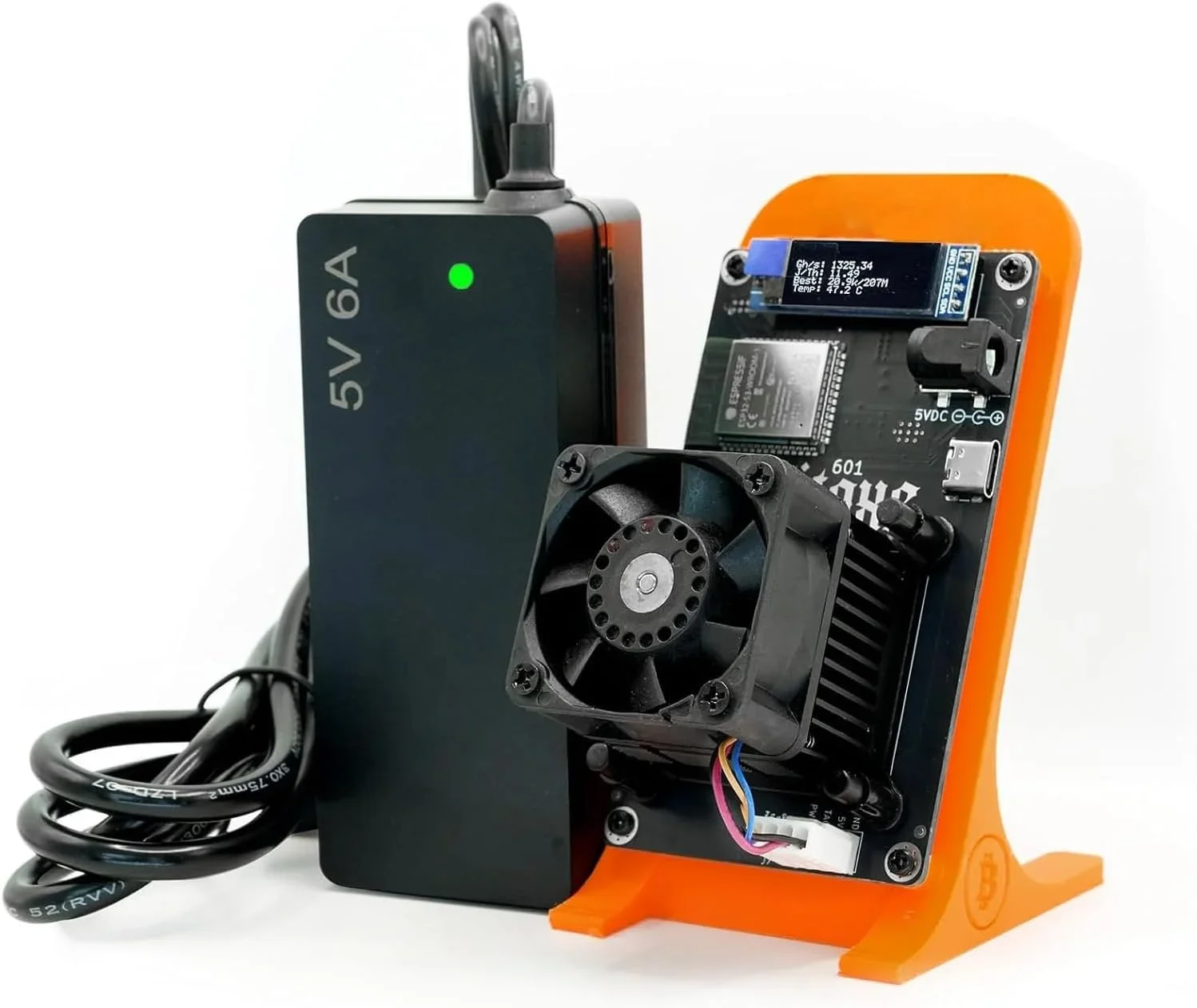
🔹 Bitaxe Gamma 601 (1.2 TH/s) (BEST SELLER!!)
Category: Solo Miner | Beginner Level
The Bitaxe Gamma 601 is a foundational solo Bitcoin miner, ideal for users who want to understand mining mechanics without a heavy upfront investment. Its open-source roots and straightforward design make it perfect for first-time miners who want to learn the basics of hash rate, difficulty, and blockchain interaction.
With low power consumption, minimal heat output, and quiet operation, the Bitaxe Gamma 601 can run safely in a home setting. Beginners gain hands-on experience with setup, configuration, and the actual mining process without complicated infrastructure.
🔹 NerdQaxe++ (4.8 TH/s)
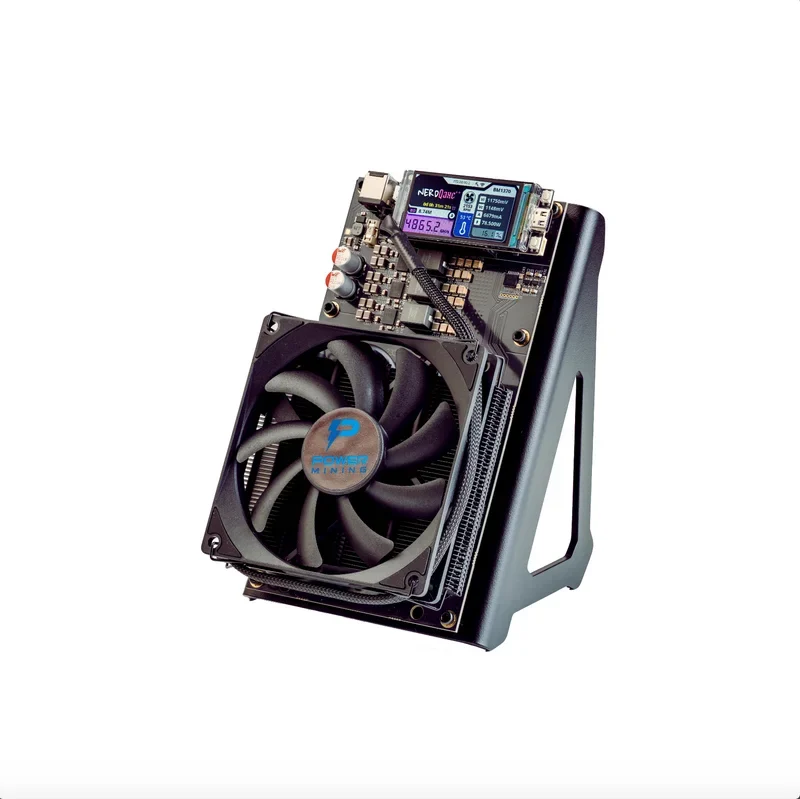
Category: Solo Miner | Beginner Intermediate Level
The NerdQaxe++ provides a notable jump in hashrate while remaining accessible and manageable for users new to mining. It is designed to bridge the gap between entry-level devices and more advanced rigs, offering a stronger real-world mining experience.
Despite its higher performance, the device remains efficient and relatively quiet. Users learn how efficiency, temperature, and sustained operation interact key concepts for anyone considering upgrading to larger setups in the future.
🔹 NerdOctaxe Home Bitcoin Miner (9.6 TH/s)
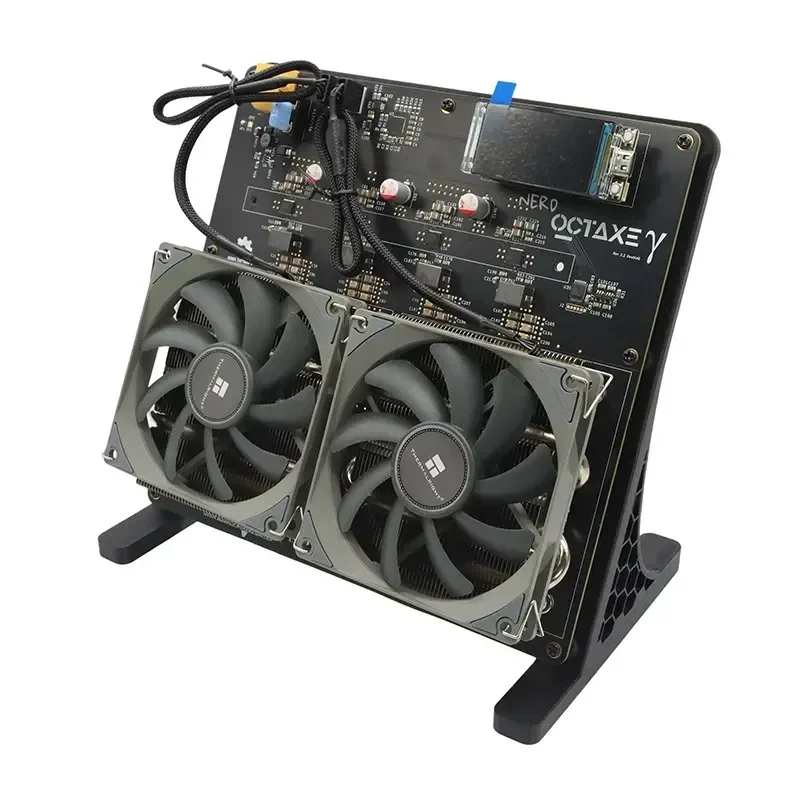
Category: Solo Miner | Advanced Beginner Level
The NerdOctaxe Home Bitcoin Miner is a strong solo mining device that sits between beginner rigs and more professional hardware. With a hashrate of 9.6 TH/s and power consumption around 150 W, it delivers significant hashing power while staying suitable for residential environments.
This miner is ideal for beginners ready to explore more serious mining without stepping into industrial territory. Users gain insight into performance scaling, real profitability variables, and managing more powerful hardware safely at home.
🔹 Canaan Avalon Nano 3 (4 TH/s)
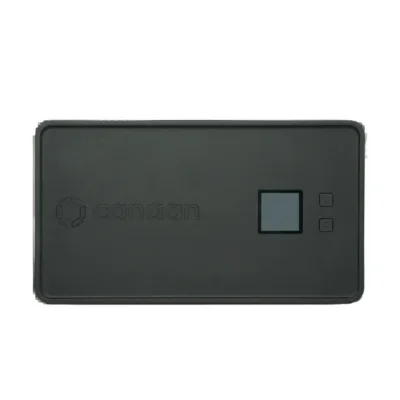
Category: Solo Miner | Beginner Level
The Canaan Avalon Nano 3 is a compact and reliable solo miner designed for newcomers who want a smooth transition into Bitcoin mining. Its brand pedigree and simple setup make it a natural choice for beginners who want an entry point with minimal technical barriers.
With quiet operation and low power draw, the Nano 3 can run continuously in small spaces. It teaches fundamentals such as hash distribution, mining configurations, and long-term machine behavior without overwhelming the user.
🔹 Canaan Avalon Nano 3S (6 TH/s, 140 W)
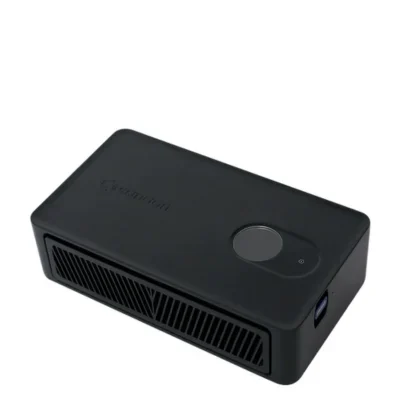
Category: Solo Miner | Beginner Level
The Canaan Avalon Nano 3S is an upgraded version of the Nano family that balances improved hashrate with home-friendly power requirements. With 6 TH/s of mining capability and a 140 W draw, it delivers stronger performance while staying within comfortable residential thresholds.
This miner is an excellent choice for beginners who want a bit more output than basic entry devices without bumping into high noise or power complexity. It helps users build real mining knowledge at a slightly higher performance tier, preparing them for future scaling decisions.
Stay up to date with the latest mining news, new hardware arrivals, and restocks of the miners you care about at Bitmern Mining Shop. Subscribe to our newsletter today and never miss important updates, product launches, or availability announcements.
Why Solo Bitcoin Miners Are Ideal for Beginners
Solo Bitcoin miners offer a practical and low-risk entry point for users who are new to Bitcoin mining. Instead of focusing on immediate returns, solo mining allows beginners to explore how mining works in real conditions while keeping costs and complexity under control.
Low Risk
Solo miners require a relatively small upfront investment compared to professional mining hardware. This significantly reduces financial risk for beginners, allowing them to learn and experiment without committing to expensive infrastructure or long-term operating costs.
Plug & Play Setup
Most solo miners are designed with simplicity in mind. Setup usually involves basic configuration through a web interface or pre-installed firmware, allowing beginners to start mining without advanced technical knowledge. This makes solo miners accessible even to users with no prior experience.
Low Electricity Consumption
Solo miners operate at very low power levels, often comparable to everyday household electronics. This allows them to run safely on standard residential electrical circuits without causing high energy bills or requiring electrical upgrades.
Learning by Doing
Solo mining provides hands-on experience that cannot be replicated through theory alone. Beginners learn how wallets, mining software, hash rates, and network difficulty interact in real time. This practical exposure builds confidence and prepares users for future upgrades to more powerful mining hardware.
What to Expect From Solo Mining (Important Reality Check)
Solo mining for beginners is often misunderstood, especially who are new to cryptocurrency mining. Setting realistic expectations is essential for a positive and educational experience.
Block Discovery Probability
The probability of finding a Bitcoin block with a solo miner is extremely low due to the high level of global competition and network difficulty. Solo miners operate with limited hash power compared to industrial mining farms, which means block rewards are rare.
Not a “Get Rich Quick” Method
Solo mining should not be viewed as a fast way to earn Bitcoin. It does not offer predictable or frequent payouts, and it is not designed to compete with large-scale mining operations. Approaching solo mining with profit-first expectations often leads to disappointment.
Why Solo Mining Is Still Worth It for Beginners
Despite the low probability of block rewards, solo mining remains valuable for beginners because it offers:
- Real-world exposure to Bitcoin mining mechanics
- A safe and controlled learning environment
- Low operating costs and minimal risk
- A foundation for making informed future decisions
Solo mining helps beginners understand the realities of mining before scaling up. This transparency builds trust, improves long-term decision-making, and creates a more sustainable entry into the world of Bitcoin mining.
Solo Miners vs Home Miners – When Is It Time to Upgrade?
Solo miners are designed to help beginners learn how Bitcoin mining works in a low-risk and low-power environment. However, as users gain experience, there comes a point where a solo miner may no longer meet their expectations in terms of performance and learning depth.
When a Solo Miner Is No Longer Enough
A solo miner may no longer be sufficient when:
- You want more consistent mining activity rather than purely educational use
- You have already learned the basics of setup, wallets, and mining software
- You want to experiment with higher hashrate and efficiency
- You are comfortable managing slightly higher power consumption and heat
At this stage, users often start looking for hardware that offers better performance while remaining suitable for home environments.
What Changes When You Upgrade to a Home Miner
Upgrading from a solo miner to a home miner introduces several important differences in both cost and performance.
Cost differences:
- Home miners generally have a higher upfront cost than solo miners
- Electricity usage increases, requiring more attention to power planning
- Cooling and ventilation become more important, though still manageable at home
Performance differences:
- Home miners deliver significantly higher hashrate, allowing more meaningful participation in mining
- Better efficiency per watt compared to entry-level devices
- More stable long-term operation under continuous load
Key Differences Between Solo Miners and Home Miners
- Solo Miners:
Focus on learning, experimentation, and low-power operation. Ideal for beginners and educational use. - Home Miners:
Designed for users who want higher performance while still mining in a residential or small-scale environment.
Frequently Asked Questions About Solo Bitcoin Mining
Which is the best solo miner?
The best solo miner depends on your goal and experience level. For beginners, the best solo miners are those with low power consumption, simple setup, and stable performance. Devices like Bitaxe-based miners or compact home-friendly solo miners are ideal for learning how Bitcoin mining works without high costs or technical complexity.
What is the best crypto to solo mine?
Bitcoin is the most commonly solo-mined cryptocurrency due to its security, transparency, and long-term value. While the probability of finding a block is very low for solo miners, Bitcoin remains the best choice for educational solo mining because it allows users to learn real network mechanics.
Has a solo miner ever won a block?
Yes, solo miners have successfully mined Bitcoin blocks, although it happens very rarely. There have been documented cases where individual miners with small hashrate setups discovered a block and received the full reward.
Are solo miners worth it?
Solo miners are worth it for beginners who want to learn how crypto mining works with minimal risk. They offer hands-on experience, low electricity usage, and simple setup, making them ideal for educational purposes.