
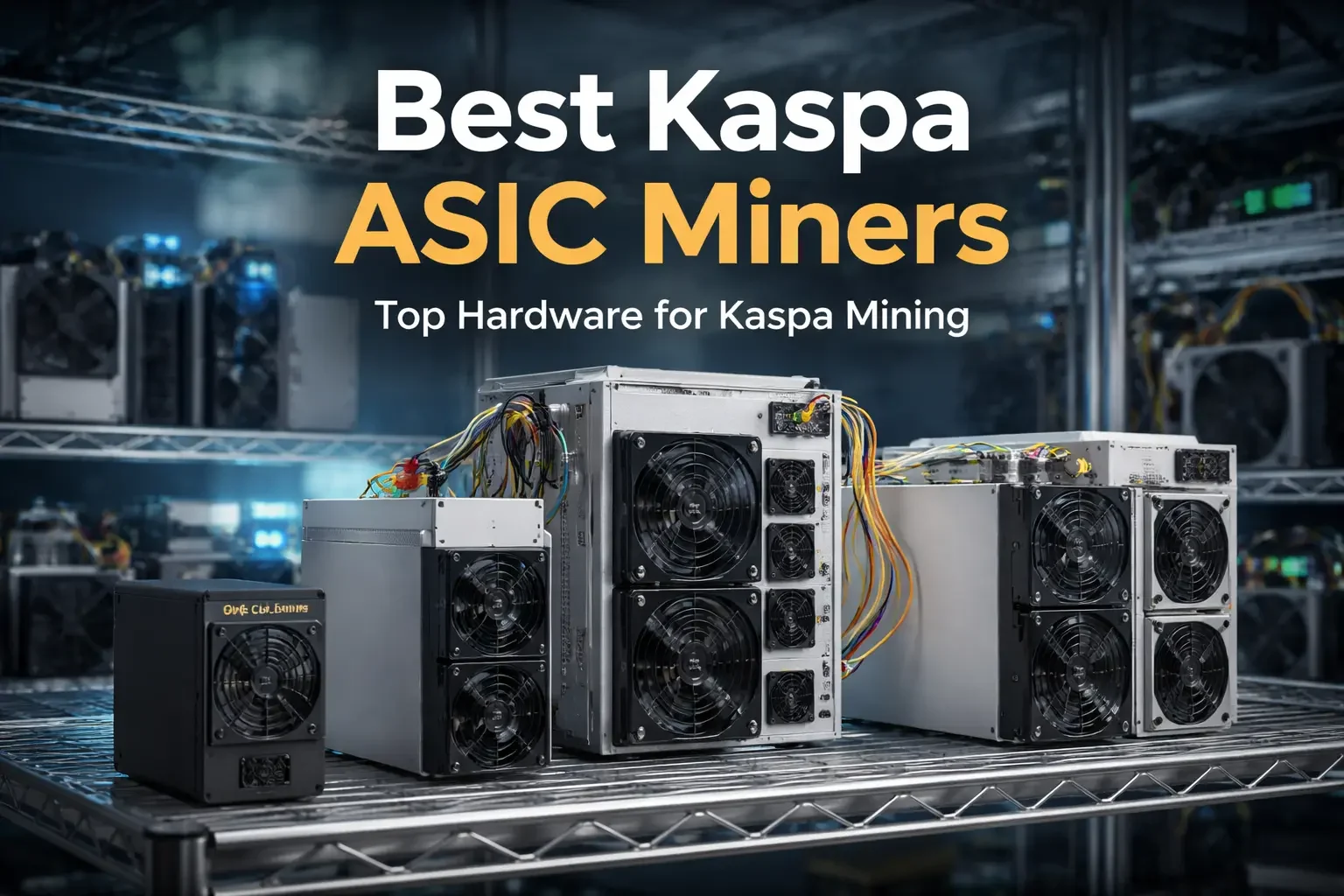
Kaspa mining has evolved rapidly, moving decisively toward ASIC based kHeavyHash mining. As network difficulty increases and competition intensifies, choosing the right miner is critical for efficiency, longevity, and profitability.
Below are the best Kaspa miners to consider, selected based on hashrate, efficiency, power consumption, and real world usability.
What to Look for in a Kaspa Miner
Choosing the right Kaspa miner requires more than simply selecting the highest hashrate available. Kaspa’s fast growing network and rapid difficulty adjustments mean that efficiency, reliability, and timing play a much larger role in long term results.
Efficiency (J/GH) is the most critical metric. Miners with lower energy consumption per unit of hash can remain profitable longer as network difficulty increases. In Kaspa mining, even small efficiency differences can significantly affect operating margins over time.
Hashrate stability is equally important. A miner that delivers consistent performance under continuous load will outperform higher rated hardware that throttles, overheats, or becomes unstable during prolonged operation.
Power requirements must align with your infrastructure. Before selecting a miner, ensure your electrical setup can handle the required load safely and continuously. Kaspa ASICs range from low power entry models to high demand professional units, making infrastructure planning essential.
Lifecycle risk is often overlooked. Kaspa hardware can become obsolete faster than miners expect as newer, more efficient models enter the market. Choosing a miner with strong efficiency and reasonable power consumption helps reduce this risk and extends usable lifespan.
Top Kaspa ASIC Miners Available Today
As the Kaspa network continues to evolve, choosing the right ASIC miner can make a significant difference in performance and long term viability. Below is an up to date look at the best Kaspa mining hardware available today, helping you match your goals with the right equipment.
- Goldshell KA Box – 1.18 TH/s, 400W → Entry-level, low-noise home mining
- Goldshell KA Box Pro – 1.6 TH/s, 600W → Beginner-friendly with higher output
- Goldshell E-KA1M – 5.5 TH/s, 1800W → Balanced mid-range Kaspa miner
- iBeLink BM-KS Max – 10.5 TH/s, 3400W → High-performance home & pro setups
- Antminer KS5 – 20 TH/s → Professional Kaspa mining
- Antminer KS5 Pro – 21 TH/s → Improved efficiency for long-term mining
- Antminer KS7 – 40–45 TH/s → Industrial-scale Kaspa mining
Which Kaspa Miner Fits Your Setup?
Below is a complete breakdown of each Kaspa mining rig available from the Bitmern Shop, with key specs and real world context so you can pick the one that matches your goals, budget, and infrastructure.
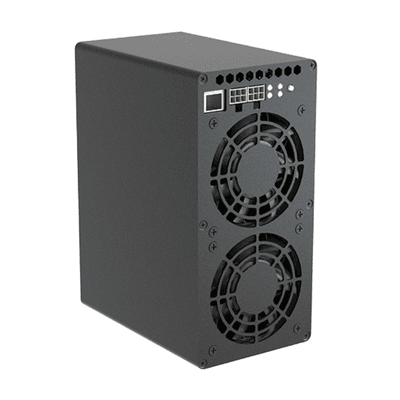
Goldshell KA Box
Overview:
A compact and energy-efficient Kaspa miner designed for those who are just getting started or want a quiet, low-power device for home mining.
Key Specs:
- Algorithm: kHeavyHash
- Hashrate: 1.18 TH/s
- Power Consumption: 400W
- Best For: Beginners, low power environments, entry level mining
Why It Fits:
This is one of the most accessible ASIC miners for Kaspa. It doesn’t require heavy electrical infrastructure and runs quietly compared to larger rigs. Perfect if you’re experimenting or mining from home without a full scale operation.
Considerations:
- Lower hashrate means slower accumulation
- Better suited for cost aware setups
↪️ Check Availability & More Details for Goldshell KA Box
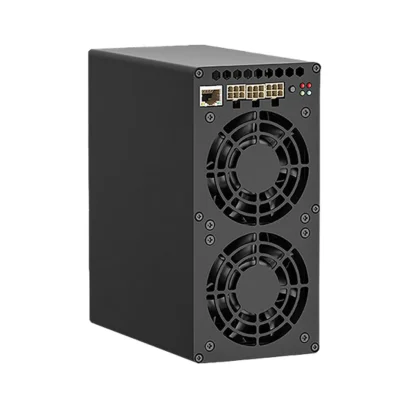
Goldshell KA Box Pro
Overview:
A step up from the standard KA Box, delivering higher hashrate with modest power demands.
Key Specs:
- Algorithm: kHeavyHash
- Hashrate: 1.6 TH/s
- Power Consumption: 600W
- Best For: Entry miners who want a bit more performance
Why It Fits:
The KA Box Pro bridges the gap between basic entry devices and mid range hardware. It still runs at moderate power levels while giving you a noticeable performance bump over lighter options.
Considerations:
- Good if you want a small upgrade without going pro
- Still manageable for non industrial environments
↪️ Check Availability & More Details for Goldshell KA Box Pro
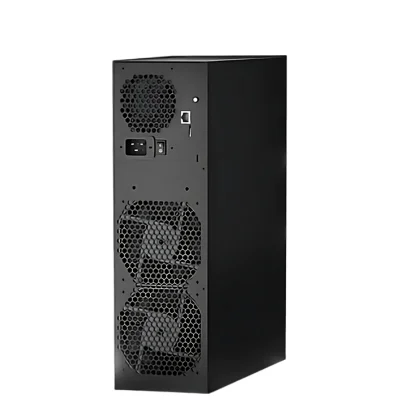
Goldshell E-KA1M
Overview:
A well balanced option for miners who want serious output without industrial complexity.
Key Specs:
- Algorithm: kHeavyHash
- Hashrate: 5.5 TH/s
- Power Consumption: 1800W
- Best For: Home setups & small mining rooms
Why It Fits:
The E KA1M is where Kaspa mining starts to feel practical for consistent reward flow. Its higher hashrate justifies moderate electricity cost and power infrastructure, making it a go to choice for serious home miners.
Considerations:
- Requires better cooling than entry models
- Larger physical footprint
↪️ Check Availability & More Details for Goldshell E-KA1M
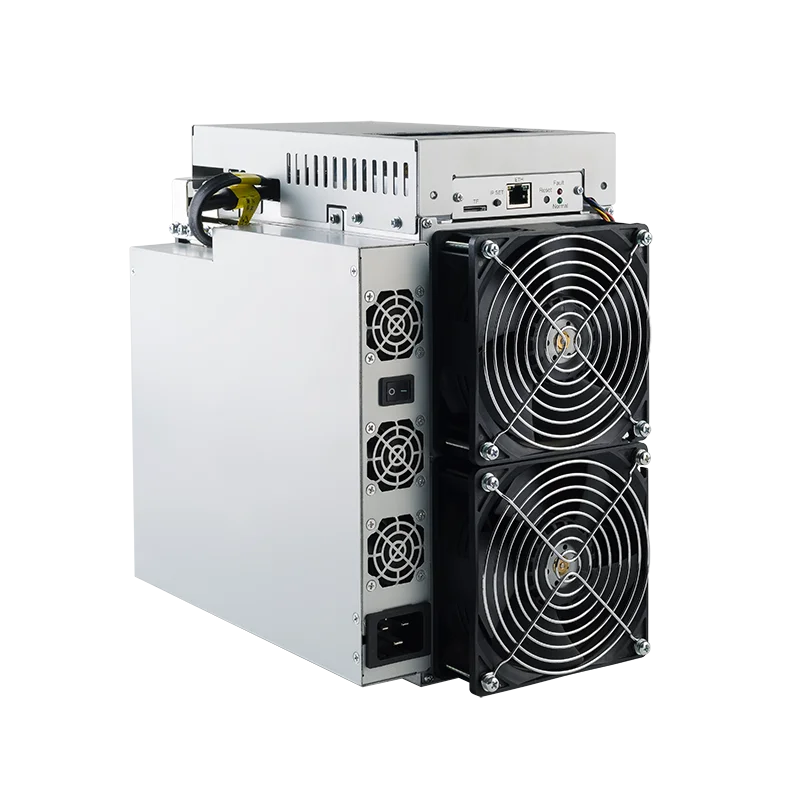
iBeLink BM-KS Max
Overview:
A powerful rig that steps into higher performance territory without reaching full pro-miner scale.
Key Specs:
- Algorithm: kHeavyHash
- Hashrate: 10.5 TH/s
- Power Consumption: 3400W
- Best For: Advanced home setups & semi professional miners
Why It Fits:
The BM KS Max offers excellent throughput for its price and positions itself between mid range and professional mining rigs. It demands attention in setup (cooling and electricity) but delivers strong sustained results.
Considerations:
- Requires reliable power delivery
- Best when paired with a dedicated cooling plan
↪️ Check Availability & More Details for iBeLink BM-KS Max
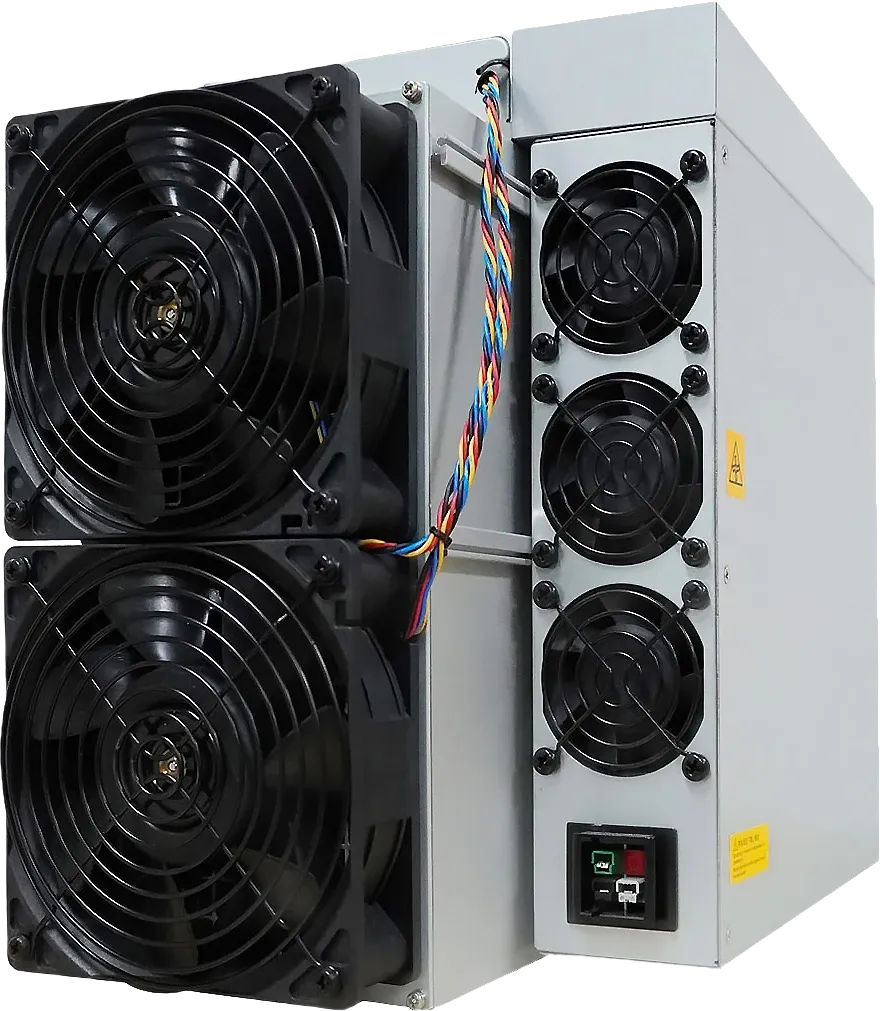
Antminer KS5
Overview:
A true professional Kaspa miner engineered for high performance and continuous operation.
Key Specs:
- Algorithm: kHeavyHash
- Hashrate: 20 TH/s
- Power Consumption: ~3000W
- Best For: Mining farms, dedicated rooms
Why It Fits:
The KS5 is a workhorse with strong performance relative to power draw. It’s popular among operations that need predictable output and stable uptime. Not ideal for casual or home use, but excellent for scaled mining.
Considerations:
- Requires proper electrical setup
- Best in cooled, organized mining racks
↪️ Check Availability & More Details for Antminer KS5
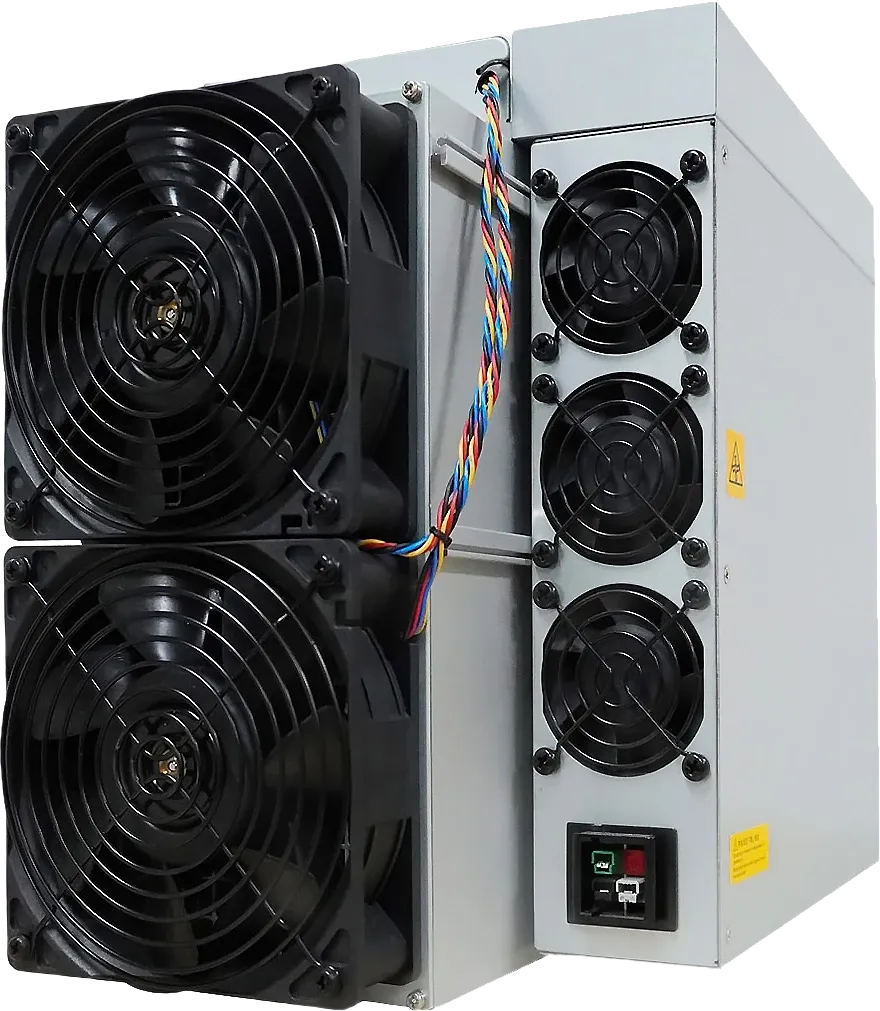
Antminer KS5 Pro
Overview:
An upgraded version of the KS5, tuned for slightly better efficiency and throughput.
Key Specs:
- Algorithm: kHeavyHash
- Hashrate: 21 TH/s
- Power Consumption: ~3150W
- Best For: Long term professional mining
Why It Fits:
If you want to squeeze a bit more efficiency and stability out of a pro rig, the KS5 Pro is a logical step. It’s built for miners who plan to hold and operate equipment at scale for years.
Considerations:
- Similar demands to the KS5 but marginally higher output
↪️ Check Availability & More Details for Antminer KS5 Pro
Antminer KS7

Overview:
A top tier ASIC designed for industrial scale Kaspa mining.
Key Specs:
- Algorithm: kHeavyHash
- Hashrate: 40–45 TH/s
- Power Consumption: ~3500–4000W
- Best For: Large farms & containerized operations
Why It Fits:
The KS7 sits at the top of the Kaspa ASIC food chain. Its massive throughput is ideal for mining operations that prioritize scale and block share rather than home convenience. If you’re building a mining farm or container rig, this is the go to choice.
Considerations:
- Industrial power and cooling required
- Not suited for casual miners
↪️ Check Availability & More Details for Antminer KS7
Home vs Professional Kaspa Mining Setups
Before choosing a Kaspa miner, it’s important to understand where and how it will operate. Home setups and professional mining environments have very different requirements, and selecting the wrong category can quickly lead to inefficiencies or unexpected costs.
Home mining setups prioritize lower power consumption, manageable noise levels, and simpler cooling requirements. Miners in this category are typically used for learning, testing strategies, or maintaining a small but consistent mining operation without industrial infrastructure.
Professional and farm scale setups, on the other hand, focus on maximum hashrate, long term uptime, and operational efficiency at scale. These environments require robust electrical capacity, dedicated cooling solutions, and careful planning but they offer significantly higher output and better optimization potential.
Understanding which setup you are building helps narrow down the right Kaspa miner far more effectively than comparing hashrate alone.
Final Thoughts on Choosing the Right Kaspa Miner
Kaspa mining is not about chasing the most powerful hardware available it’s about aligning efficiency, timing, and infrastructure with your mining goals. Entry level miners offer flexibility and low risk, while high performance ASICs reward scale and preparation.
As the Kaspa network continues to evolve, hardware selection becomes increasingly strategic. Miners who take the time to understand network dynamics, power costs, and hardware lifecycles are better positioned to adapt and remain competitive.
If you want a deeper understanding of Kaspa mining economics, rewards, and long term considerations, make sure to read our complete guide:
👉 Is Kaspa Mining Profitable? | How It Works & What Miners Should Know
This will help you connect hardware choices with real world mining conditions and make informed decisions moving forward.