The question “How to mine Bitcoin on PC” is one of the most common beginner searches related to Bitcoin mining. Many people assume that because Bitcoin is digital and decentralized, mining it from a home computer should still be a realistic option. Technically, it is possible. Practically and economically, it rarely makes sense. This guide explains what is actually possible, what is realistic, and why Bitcoin mining at home is very different from mining other cryptocurrencies.
Does Bitcoin Mining Work at Home?
Yes, Bitcoin mining can work at home in a purely technical sense. Bitcoin is permissionless by design, meaning anyone with hardware, electricity, and an internet connection can participate in the network without licenses or approvals.
However, participation does not automatically mean profitability. Bitcoin mining has evolved into a highly competitive activity dominated by specialized hardware and operations with access to cheap electricity. For most home users, mining Bitcoin does not work sustainably once real-world costs are considered.
How to Mine Bitcoin on PC: The Technical Reality
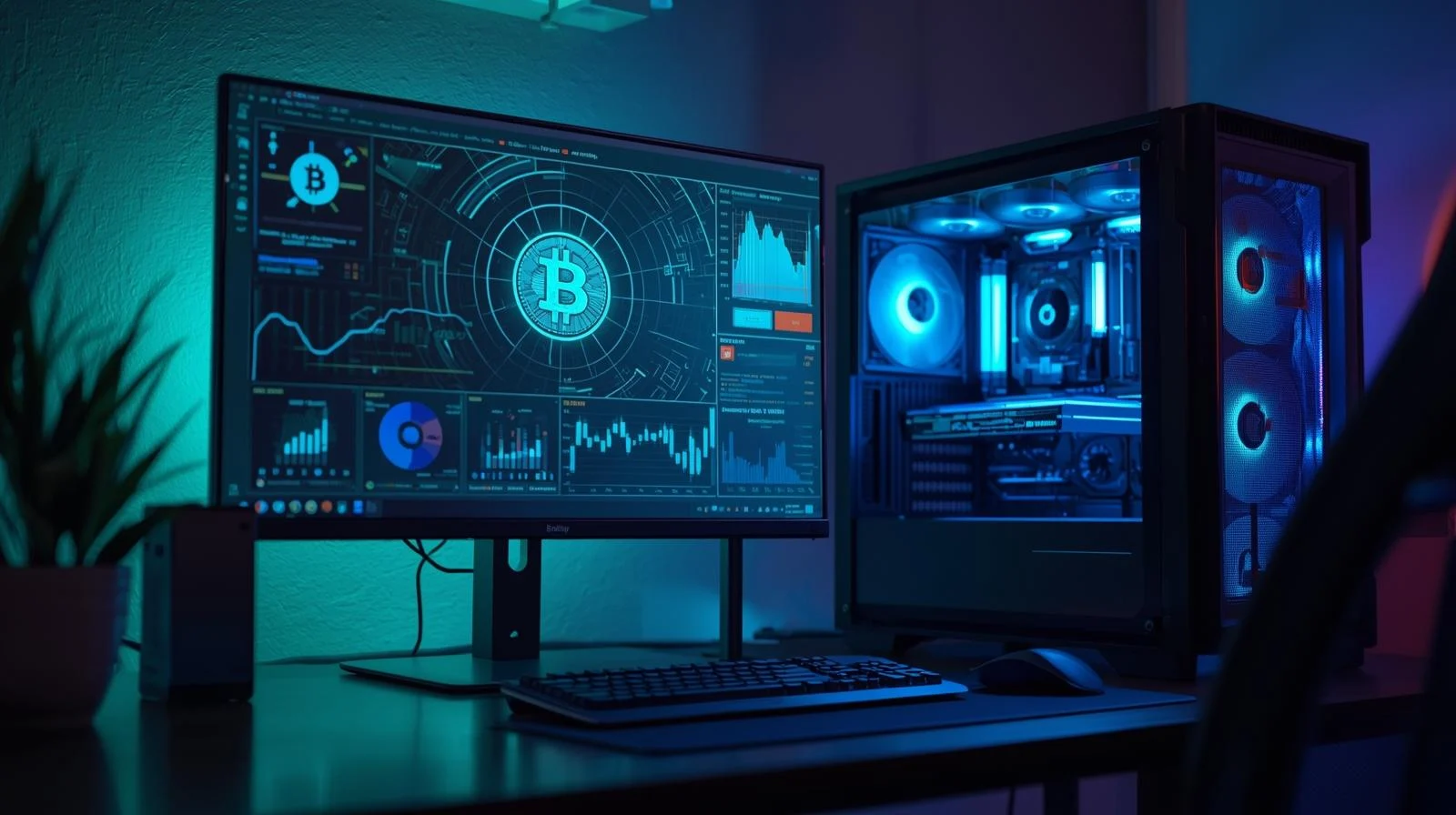
It is absolutely possible to mine Bitcoin on a PC. Mining software exists, mining pools are accessible, and nothing technically prevents a personal computer from connecting to the Bitcoin network and submitting work. The limitation is not access it is efficiency.
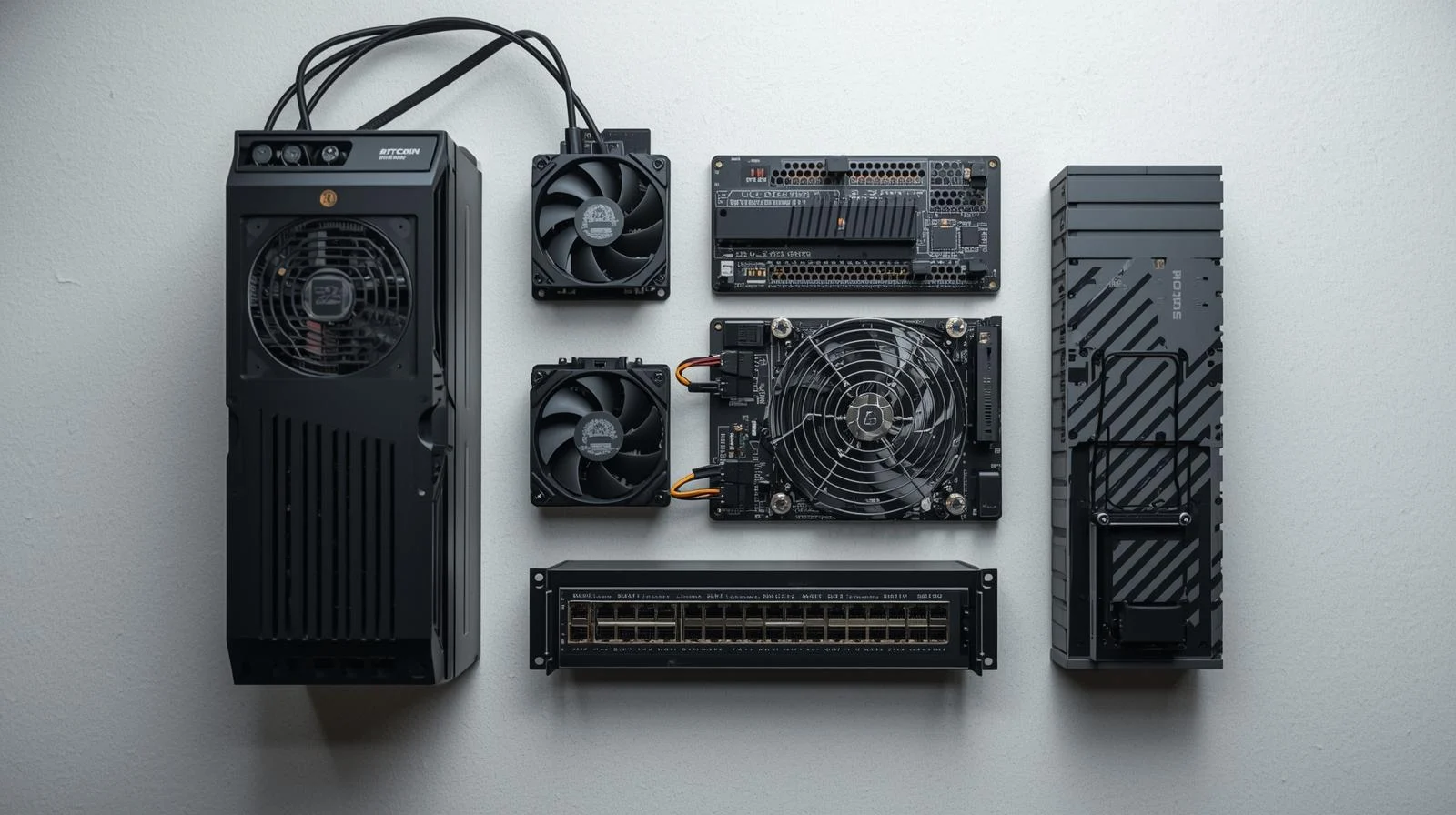
Bitcoin mining today is performed almost exclusively using ASIC miners, machines built specifically for the SHA-256 algorithm. These devices are optimized to perform an enormous number of hash calculations while consuming as little energy as possible per unit of work.
A PC or GPU, by comparison, produces only a fraction of the hash power while consuming significantly more electricity relative to its output. Even when connected to a mining pool, the contribution of a PC is so small that rewards are either negligible or effectively zero.
In practical terms, mining Bitcoin on a PC results in:
- Extremely low hash contribution to the network
- Near-zero probability of meaningful rewards
- Continuous electricity consumption with no realistic return
While the software may run and the miner may appear “active,” the economic outcome remains the same: ongoing power costs with no measurable Bitcoin earned.
Why Bitcoin Mining at Home Is Not Profitable for Most People
The primary reason home Bitcoin mining fails is electricity cost. Bitcoin mining hardware operates continuously, twenty-four hours a day. This means that electricity expenses are not occasional they are constant. Even small differences in electricity pricing compound quickly over time.
If your electricity price is above roughly $0.10 per kWh, Bitcoin mining at home is almost always unprofitable. At these rates:
- Power costs increase faster than mining rewards
- Margins disappear even with efficient hardware
- PCs and GPUs become completely nonviable
With standard residential electricity pricing, the imbalance becomes even more extreme. A PC or GPU consumes power without producing enough hash power to offset the cost, leading to a guaranteed long-term loss. Over time, electricity expenses often exceed any Bitcoin earned, turning home Bitcoin mining into a cost rather than an income-generating activity.
The Key Takeaway
Bitcoin mining is not limited by permission or access it is limited by economics. Without low electricity costs and specialized ASIC hardware, mining Bitcoin at home is unlikely to be sustainable. Understanding this early helps prevent unrealistic expectations, wasted time, and unnecessary expenses.
These topics are also discussed in a more visual way in a video on the Bitmern Mining YouTube channel, where a presenter walks through real hardware examples and explains why PC based Bitcoin mining struggles in practice.
🔔 Do not Forget to Subscribe to our newsletter 📧 today and never miss important updates, product launches, or availability announcements.