Bitcoin mining containers have become a go-to solution for operators who want to scale efficiently without building permanent infrastructure. Whether you’re planning a small deployment or expanding an industrial operation, understanding costs, cooling, and scale is critical before investing in a containerized mining setup.
In this guide, we break down what a Bitcoin mining container really offers, how cooling systems impact performance and uptime, and how costs change as operations grow. The goal is simple: help you evaluate whether a mining container fits your power budget, environmental conditions, and long-term scaling strategy not just the specs on paper.
What Is a Bitcoin Mining Container?
A Bitcoin mining container is a portable, industrial-grade solution designed to house large numbers of ASIC miners such as Antminers in a controlled, self-contained environment. Built using reinforced shipping containers (usually 20ft or 40ft), these units integrate power distribution, cooling, ventilation, and networking into a single deployable system.
In simple terms, a mining container is a plug and play mining facility that allows operators to deploy or relocate mining operations quickly, often to locations with cheaper electricity or better regulatory conditions.
This is why terms like antminer container, bitmain mining container, and antbox container are commonly used interchangeably: they all describe containerized infrastructure optimized for ASIC mining at scale.
What Is Inside a Bitcoin Mining Container?
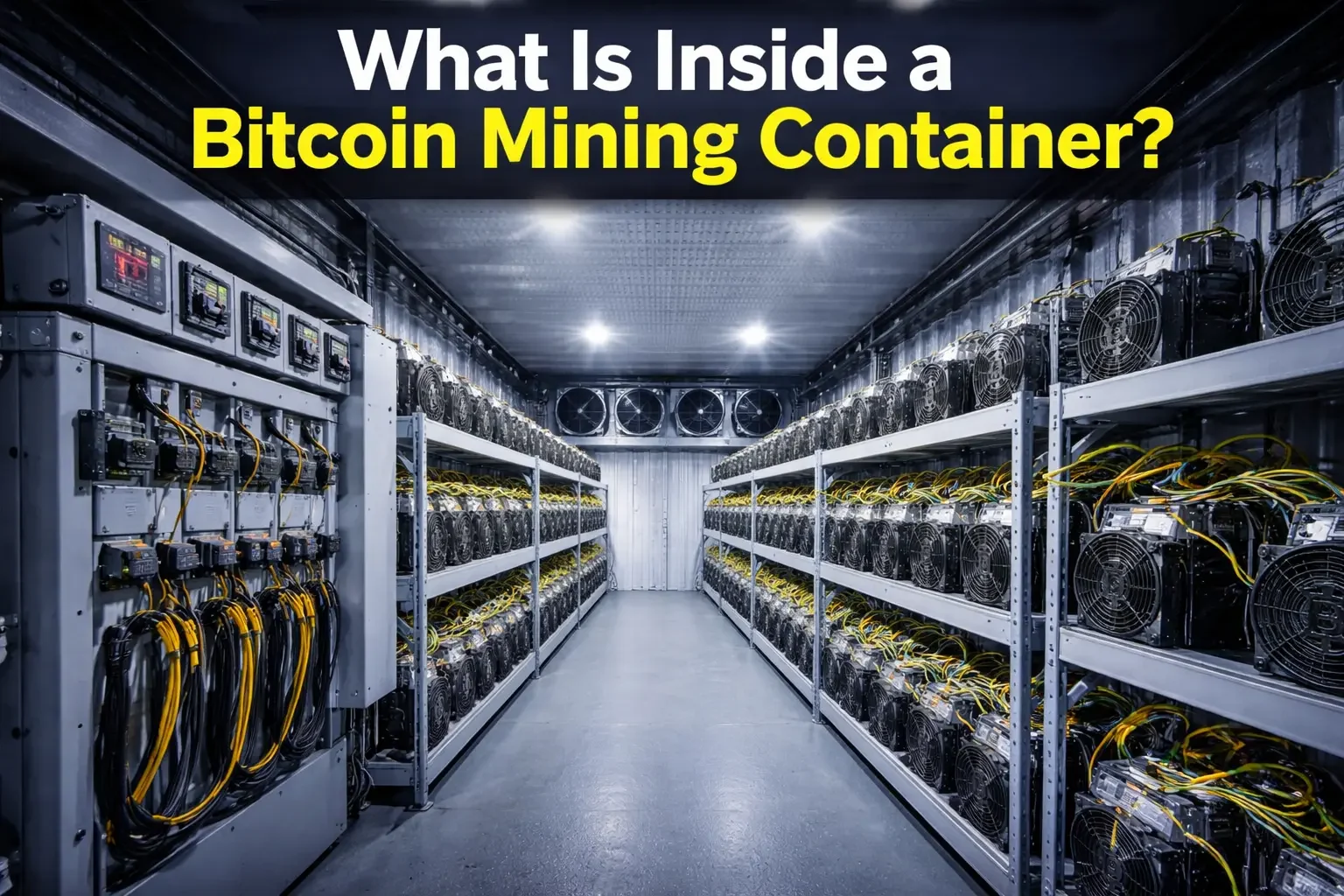
A Bitcoin mining container is not just a storage unit filled with miners. It is a purpose-built infrastructure system designed to support continuous, high-load Bitcoin mining in a compact and portable form.
Unlike a standard warehouse or improvised mining room, containerized mining setups are engineered from the ground up to handle extreme heat output, high power density, and nonstop operation.
Containerized Structure
Most Bitcoin mining containers are built using ISO-standard steel shipping containers, typically in 20ft or 40ft formats. This standardized design makes them:
- Structurally durable and weather-resistant
- Easy to transport and deploy globally
- Suitable for outdoor or remote installations
The container itself acts as both the physical housing and the structural backbone of the mining operation.
Cooling & Ventilation Systems
Heat management is one of the most critical challenges in Bitcoin mining. Containerized solutions address this with dedicated industrial cooling designs rather than ad-hoc airflow.
Typical cooling setups include:
- High-capacity intake and exhaust fans
- Engineered airflow paths that separate hot and cold air
- Layouts designed to maintain consistent temperatures across all miners
Some containers are also designed to support future cooling upgrades, depending on the deployment requirements. The goal is simple: allow large numbers of ASIC miners to run continuously without thermal throttling.
Power Infrastructure
A properly designed antminer container or bitmain mining container includes integrated electrical infrastructure built for high-load operation.
This usually consists of:
- High-voltage electrical wiring
- Industrial-grade Power Distribution Units (PDUs)
- Circuit protection to reduce the risk of overloads or power faults
By centralizing and standardizing power delivery, mining containers eliminate many of the safety and reliability issues associated with improvised electrical installations.
Plug-and-Play Deployment
One of the main advantages of a mining container is deployment speed. These units are typically delivered pre-configured for operation, meaning:
- ASIC miners are pre-mounted in racks
- Power and network connections are already in place
- On-site setup is limited to power, network, and basic configuration
Compared to building or retrofitting a fixed facility, this approach can reduce deployment time dramatically.
Monitoring & Management
Modern mining containers are designed for remote operation and oversight. Most setups support monitoring of:
- Internal temperatures
- Power consumption
- Network connectivity and miner status
This allows operators to manage and troubleshoot mining operations efficiently, even when containers are deployed in isolated or energy-rich locations.
Why Use a Bitcoin Mining Container?
Mining containers exist because they solve specific, recurring operational problems that traditional mining setups struggle with. They are not designed to look impressive they are designed to reduce friction, risk, and wasted capital in real-world mining environments.
More specifically, mining containers provide:
- Predictable infrastructure costs, eliminating the need for custom-built facilities, long construction timelines, or permanent real estate commitments.
- Faster deployment, allowing miners to go from delivery to operation in days instead of months.
- Optimized cooling layouts, purpose-built to handle the constant heat output of ASIC miners without relying on improvised airflow solutions.
- Standardized power distribution, reducing electrical risks and making high-density mining safer and easier to manage.
- Location flexibility, enabling operators to deploy near low-cost energy sources, renewable power sites, or regions with favorable regulations.
- Scalable expansion, where capacity grows by adding containers rather than redesigning entire facilities.
- Easier maintenance and monitoring, with consistent layouts that simplify troubleshooting and operational oversight.
This is why large scale operators and growing farms increasingly choose containerized mining over traditional buildings.
Best Bitcoin Mining Containers to Buy
If you’re looking for cost-effective container solutions, the following options are among the most economical entry points into containerized Bitcoin mining especially for operators using Antminer models like S19 or S21 series.
Avalon Air Cooling Mining Box – 20ft
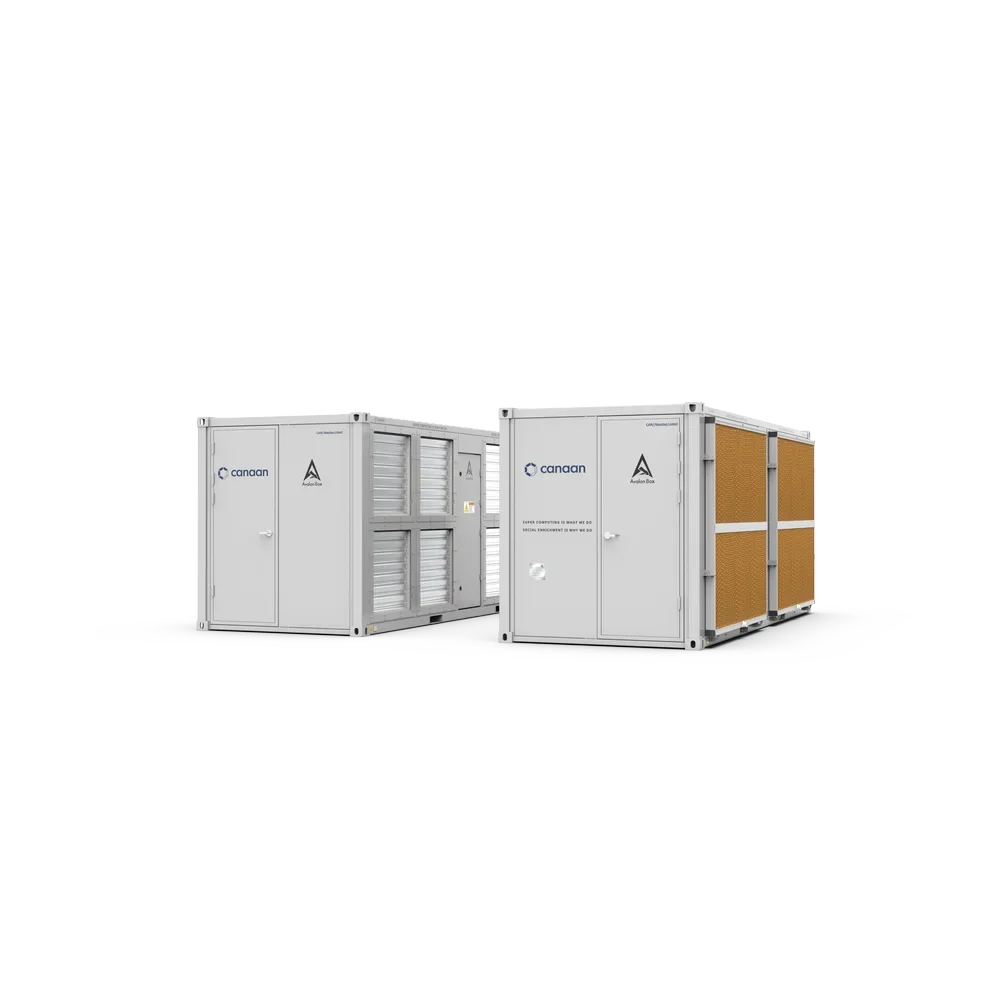
This 20ft mining container offers a compact, air-cooled solution suitable for small to mid-sized mining operations. It is designed for efficient airflow and reliable power distribution, making it a practical choice for miners who want containerization without the cost of larger industrial setups.
👉 See full specifications, availability, and pricing on Bitmern Shop
Avalon Air Cooling Mining Box – 40ft
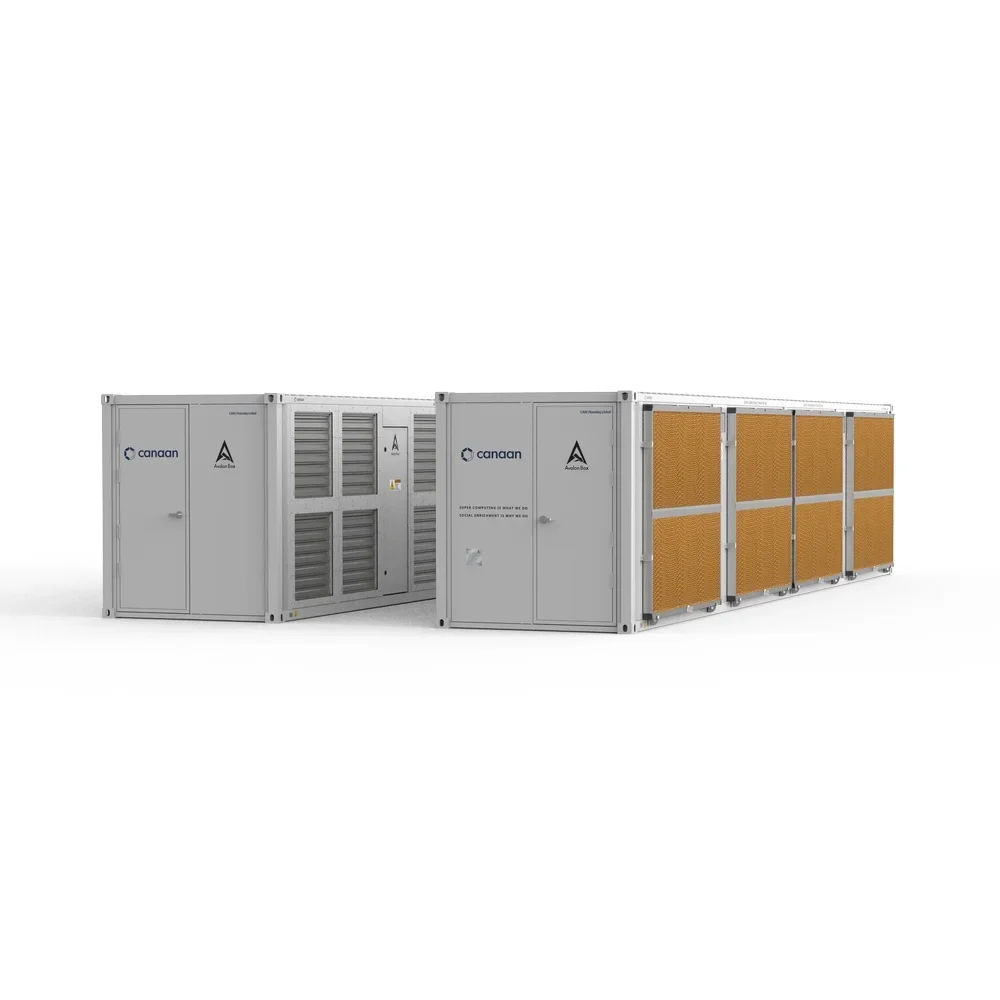
The Avalon Air Cooling Mining Box – 40ft is built for operators who need more capacity while maintaining efficient air cooling. Compared to the 20ft version, the 40ft container allows for higher miner density and better airflow optimization across larger deployments.
This model is well-suited for growing operations that want to scale within a single container footprint, offering a balance between deployment speed, cooling efficiency, and infrastructure cost.
👉 See full specifications, availability, and pricing on Bitmern Shop
20FT Mining Container for 168 pcs (S19k Pro / S19 / S21)
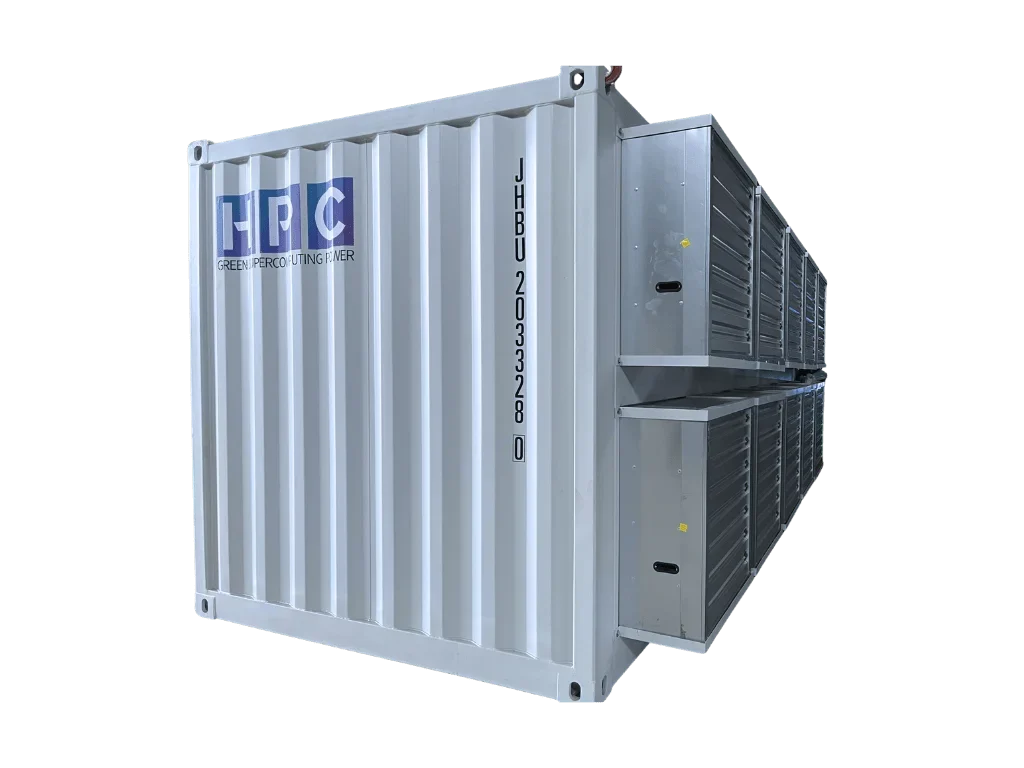
The 20FT Mining Container for 168 ASIC miners is designed for high-density deployments, supporting up to 168 units of popular Antminer models such as the S19k Pro, S19, and S21 series.
This container targets operators focused on maximum space utilization and cost-per-TH efficiency. By concentrating a large number of miners into a standardized container format, it enables scalable expansion while keeping operational complexity under control.
For many professional operators, this type of container represents the best balance between capacity, cost efficiency, and operational performance, especially when power and cooling infrastructure are already optimized.
👉 See full specifications, availability, and pricing on Bitmern Shop
🔔 Do not Forget to Subscribe to our newsletter 📧 today and never miss important updates, product launches, or availability announcements.
Bitcoin Mining Containers vs Traditional Mining Facilities
When comparing Bitcoin mining containers to traditional, fixed mining facilities, the difference is not just structural it’s operational. Containerized mining is designed for speed, flexibility, and repeatability, while traditional facilities are built around permanence and long-term site commitment.
Mining containers allow operators to deploy infrastructure in a matter of days or weeks rather than months. There is no need for extensive construction, permitting delays, or custom engineering work for each new site. This rapid deployment is especially valuable in mining, where electricity prices, regulations, and network difficulty can change faster than a traditional facility can be built.
Upfront costs are also significantly lower. Traditional mining facilities require investment in buildings, electrical installations, ventilation systems, and often long-term leases or land ownership. Mining containers consolidate all of this into a single, standardized unit with predictable costs, making budgeting and expansion far more straightforward.
Portability is another key advantage. A fixed facility ties the operation to one location, regardless of future changes in power pricing or regulation. A mining container can be relocated if conditions change, allowing operators to move closer to cheaper energy sources or more favorable jurisdictions without rebuilding their infrastructure from scratch.
Scaling is also fundamentally different. Expanding a traditional facility often means redesigning electrical systems, upgrading cooling, or extending physical space. With containerized mining, growth is modular capacity increases by adding more containers, not by reworking existing ones. This modular approach is why container solutions, including antbox containers and other Bitmain mining container concepts, have become the preferred model for rapid and flexible mining expansion.
In short, mining containers align better with the realities of Bitcoin mining: changing conditions tight margins, and the need to adapt quickly without locking capital into permanent structures.
Where to Find Bitcoin Mining Containers & How Easy They Are to Transport
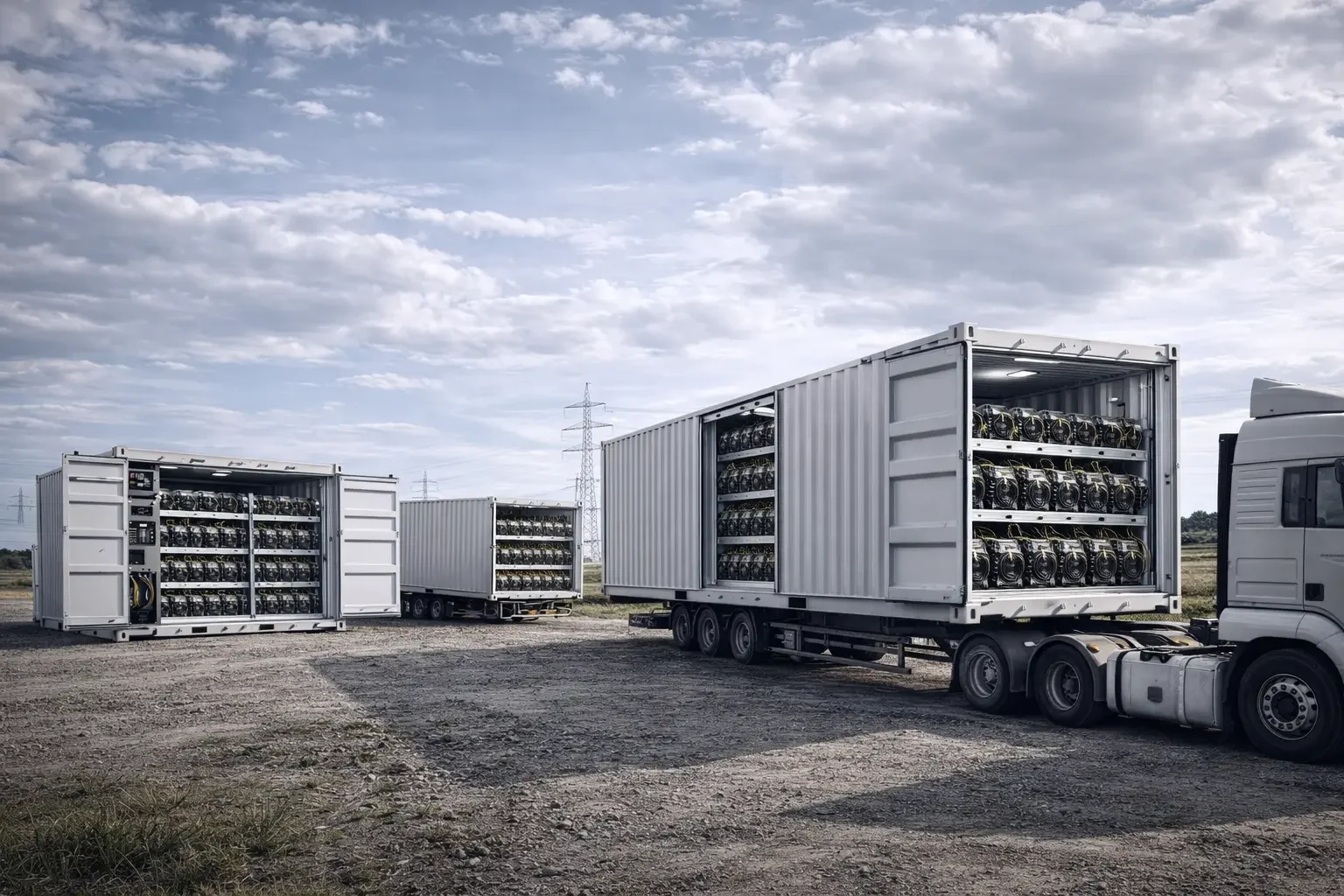
Bitcoin mining containers are designed not only for efficient operation, but also for simple sourcing and straightforward transportation. Because they are built on ISO-standard shipping container dimensions, they can be transported using the same logistics networks as conventional freight containers by truck, ship, or rail.
This standardized format makes deployment faster and more predictable, whether the container is being installed locally or shipped to a remote energy-rich location. Once delivered, setup typically requires minimal on-site work, allowing operators to bring new capacity online quickly without complex construction or long installation timelines.
For miners looking to source reliable, ready-to-deploy solutions, choosing a trusted supplier matters. Availability, configuration options, and clear specifications all play a role in avoiding delays and unexpected costs.
👉 Mining Containers for Sale on Bitmern Shop. Browse available models, check pricing and availability, and find a container solution that fits your location, power setup, and scaling plans.